Designing for Sufficiency: A Framework for Integrating Sufficiency Strategies into Building Practice
6/17/2026
Designing for Sufficiency: A Framework for Integrating Sufficiency Strategies into Building Practice
Students:
Maria Dalgaard Rabenholt & Tobias Rørkær Thagaard
6/17/2026
Designing for Sufficiency: A Framework for Integrating Sufficiency Strategies into Building Practice
Students:
Maria Dalgaard Rabenholt & Tobias Rørkær Thagaard
Abstract dansk:
Denne thesis undersøger begrebet ”sufficiency” (tilstrækkelighed) og stiller spørgsmål ved den nuværende danske boligpraksis, samtidig med at den analyserer, hvordan funktionelle behov kan opfyldes med færre ressourcer. Nutidens boliger i Danmark er ofte store og rummer mange sjældent anvendte rum og funktioner, hvilket medfører unødvendigt materialeforbrug og energianvendelse. Ved at udfordre disse normer undersøger afhandlingen, hvordan en mere tilstrækkelig måde at bygge og leve på kan realiseres, og hvilke justeringer en sådan omstilling kan kræve, med det overordnede mål at balancere menneskelige behov med miljømæssige grænser.
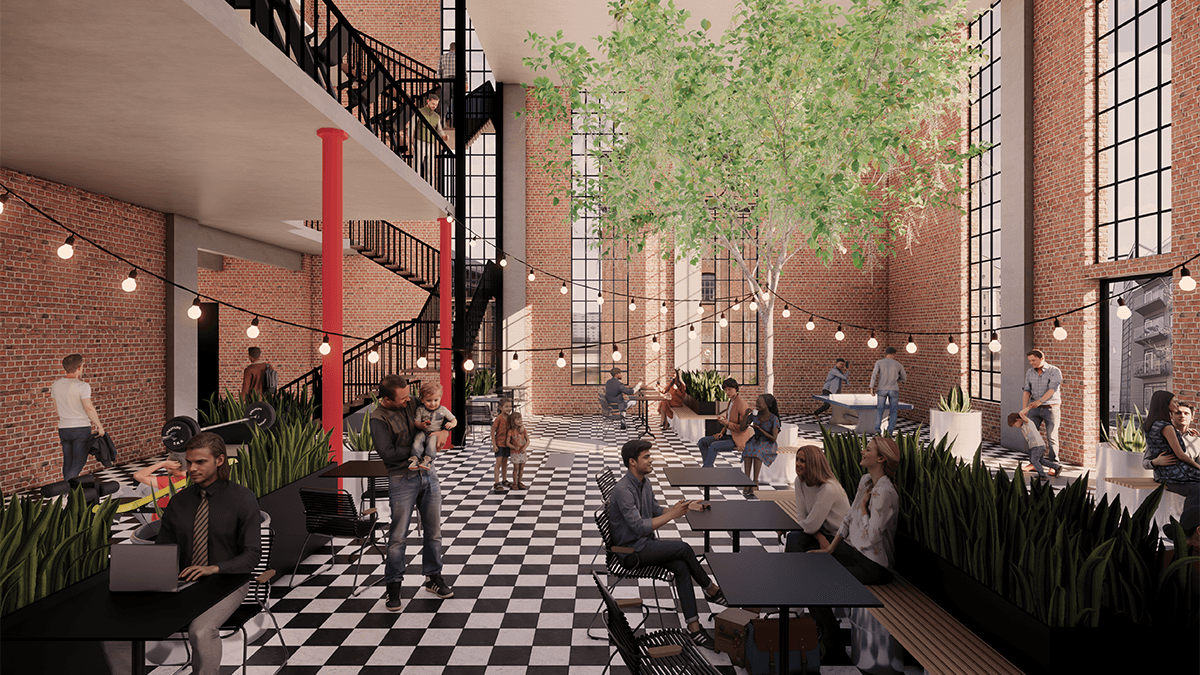
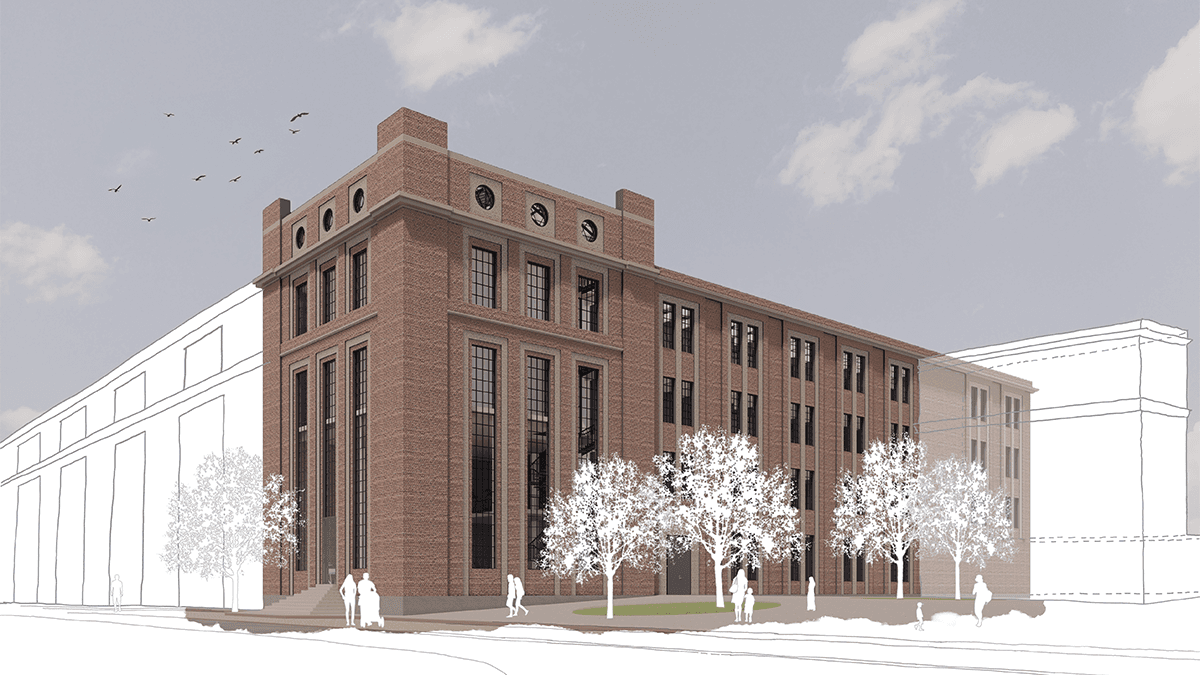
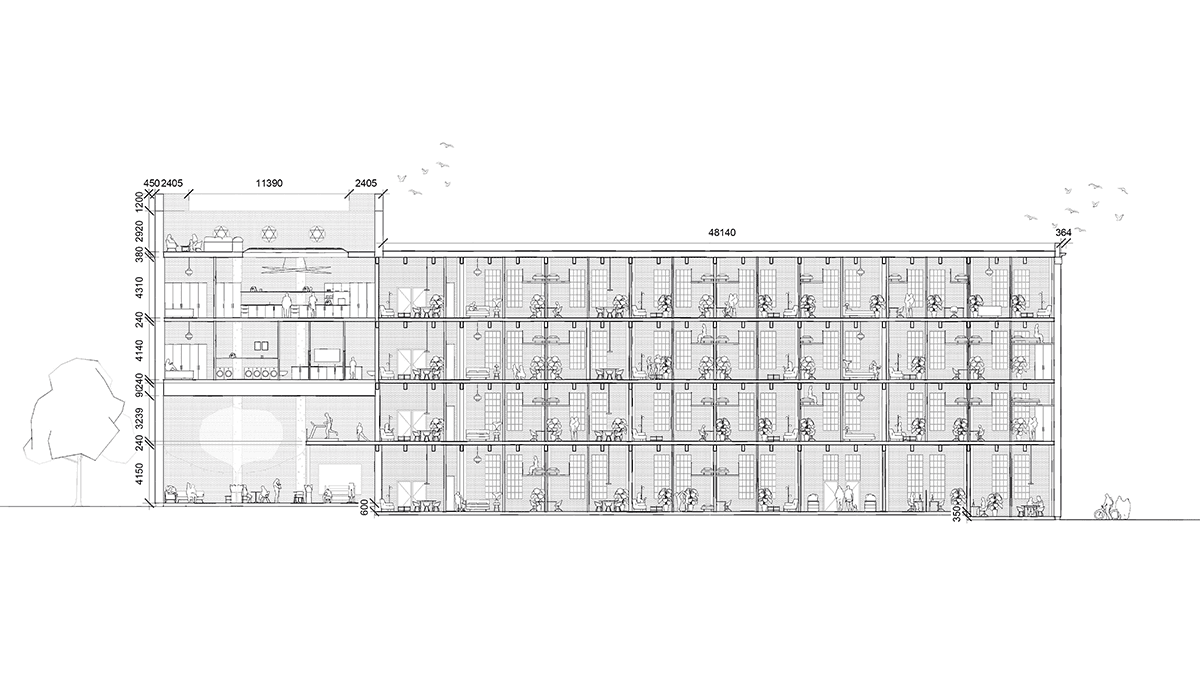
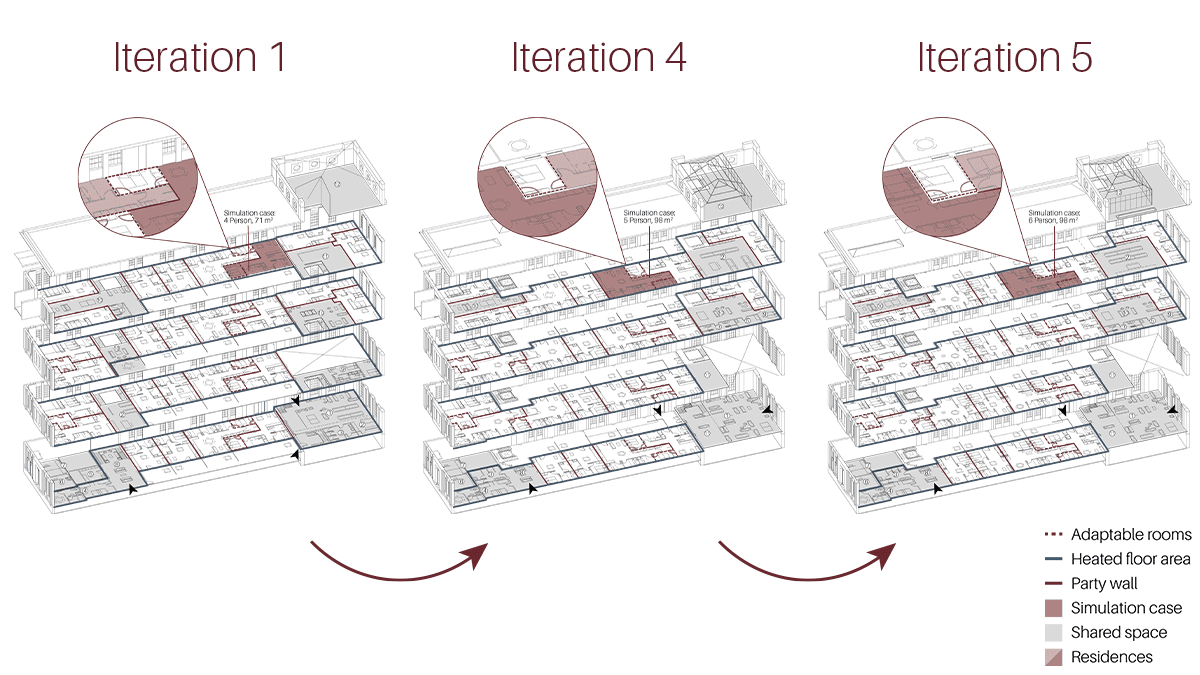
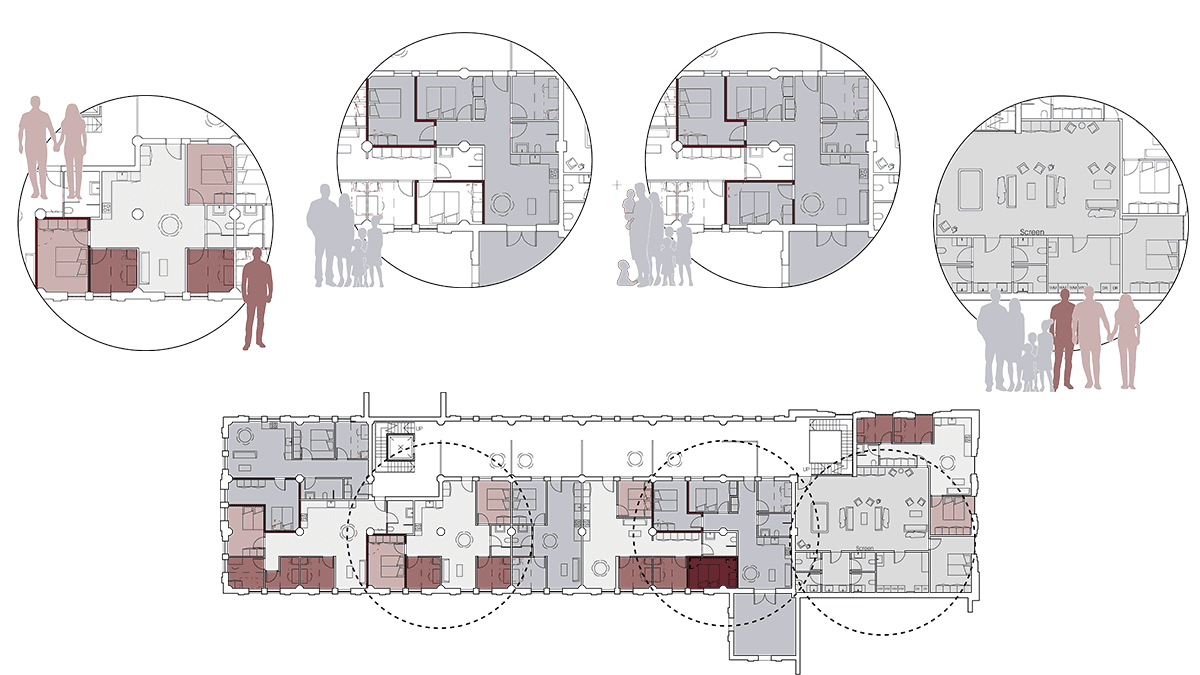
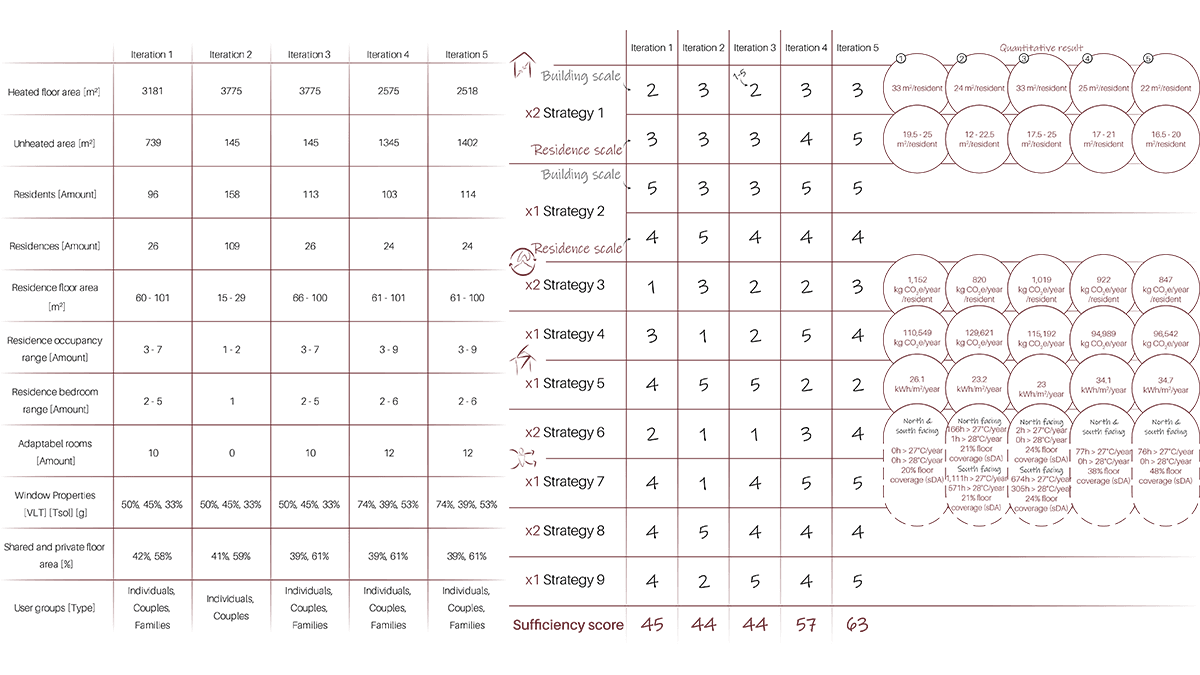
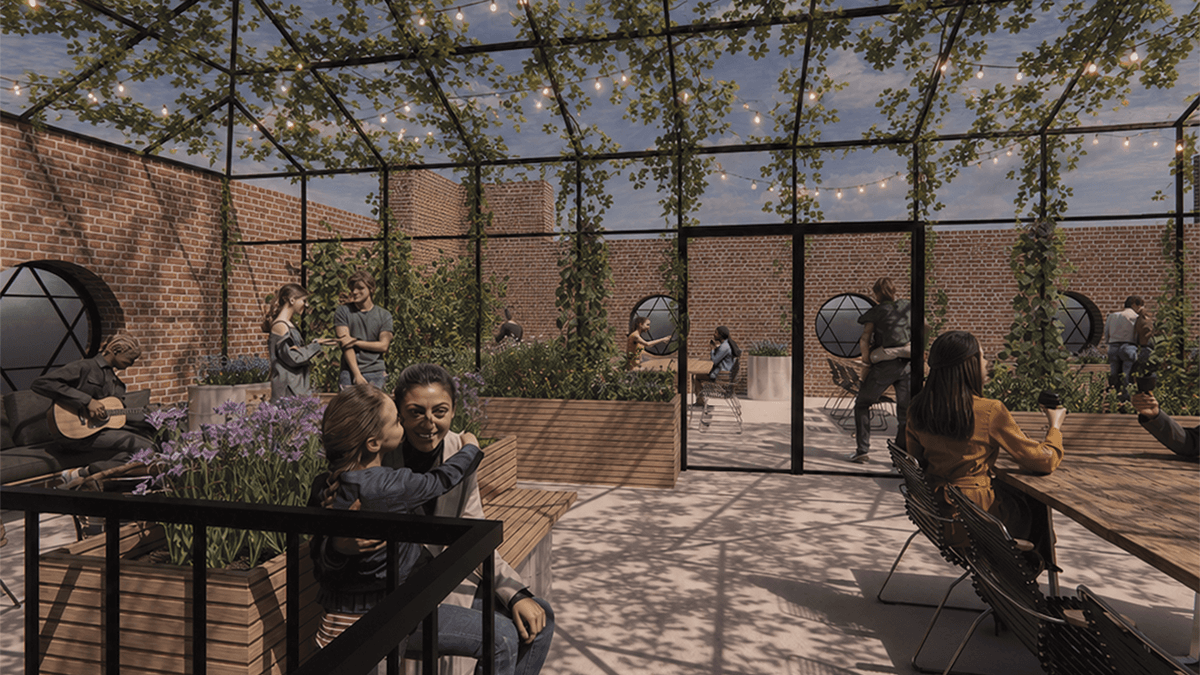
Afhandlingen fokuserer på at udvikle et sæt designstrategier, der kan anvendes i arkitektoniske projekter til at guide designere gennem den iterative proces. Strategierne er baseret på målbare resultater og udgør en ramme, der understøtter beslutningstagning mod mere tilstrækkelig levevis. For at teste rammeværkets anvendelighed afprøves strategierne i transformationen af det tidligere destilleri ‘Spritten’ i Aalborg som casebygning.
Intentionen er, at tilgangen kan overføres til en bred vifte af projekter og tilbyde en struktureret vej mod en arkitektonisk praksis, der i højere grad balancerer menneskelig trivsel, ressourceforbrug og økologisk ansvarlighed.
Abstract engelsk:
This thesis explores the concept of sufficiency, questioning current Danish residential building practices and examining how functional needs can be met with fewer resources. Contemporary homes in Denmark are often large and include many rarely used rooms and functions, resulting in unnecessary material consumption and energy use. By challenging these norms, the thesis investigates how a more sufficient way of building and living can be achieved, and what adjustments such a transition may require, with the aim of balancing human needs with environmental boundaries.
The thesis focuses on developing a set of design strategies that can be applied in architectural projects to guide designers through the iterative process. These strategies are grounded in measurable outcomes and form a framework that supports decision‑making toward more sufficient living. To test the applicability of the framework, the strategies are applied to the transformation of the former distillery ‘Spritten’ in Aalborg as a case building.
The intention is that the approach can be transferred to a wide range of projects, offering a structured pathway toward an architectural practice that better balances human well-being, resource use, and ecological responsibility.