6/17/2026
Future Relevance of the Modernist Building Block
Students:
Maria Steffensen, Jacob Torup & Daniel W. Staflin
6/17/2026
Future Relevance of the Modernist Building Block
Students:
Maria Steffensen, Jacob Torup & Daniel W. Staflin
Abstract dansk:
I årtier er modernistiske boligblokke blevet betragtet som aldrende levn fra en anden tid, hvor deres mangler ofte har overskygget deres potentiale. Bag de slidte facader gemmer der sig dog en enorm reserve afrum, materialer, energi og menneskelig historie.
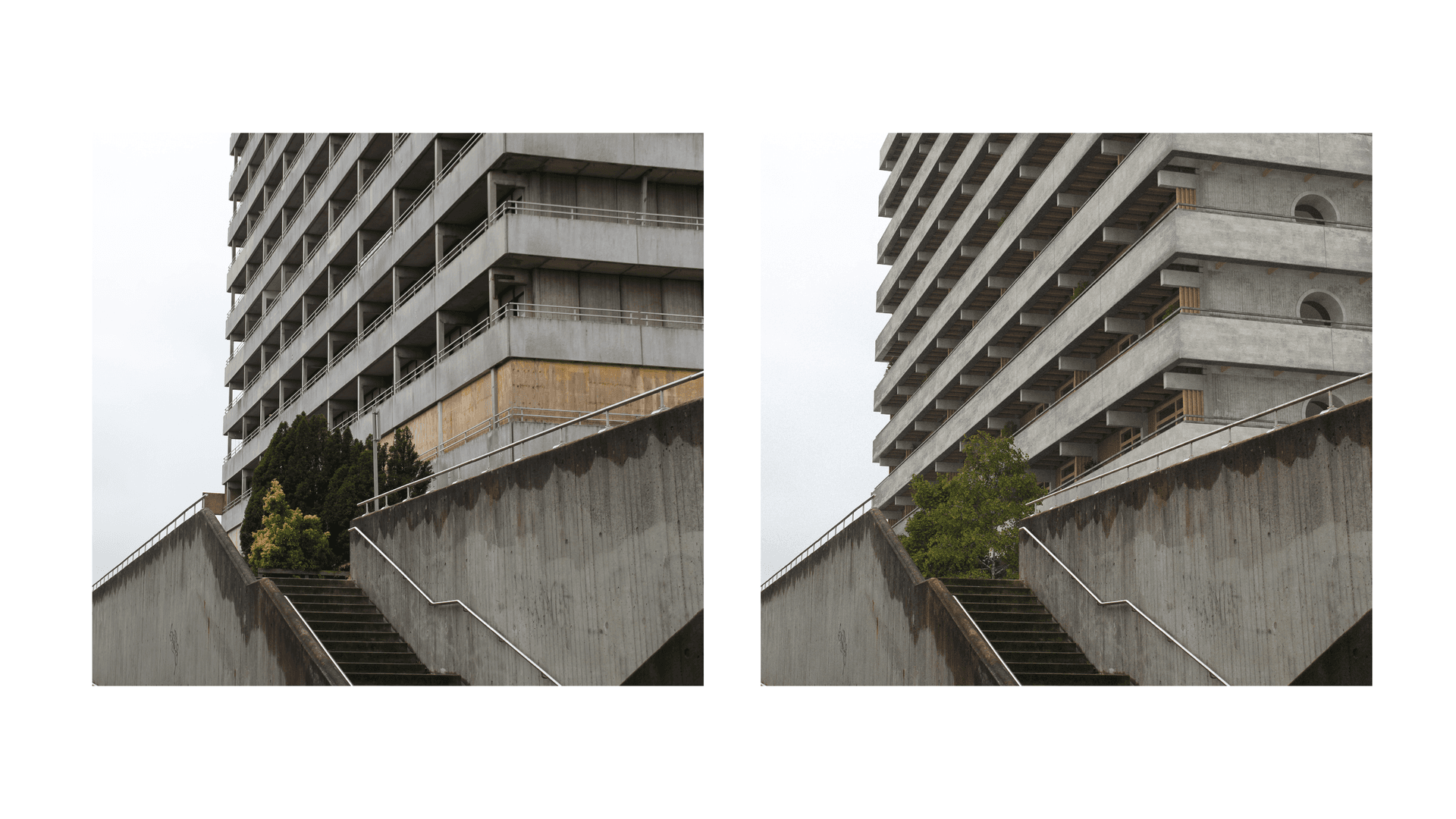
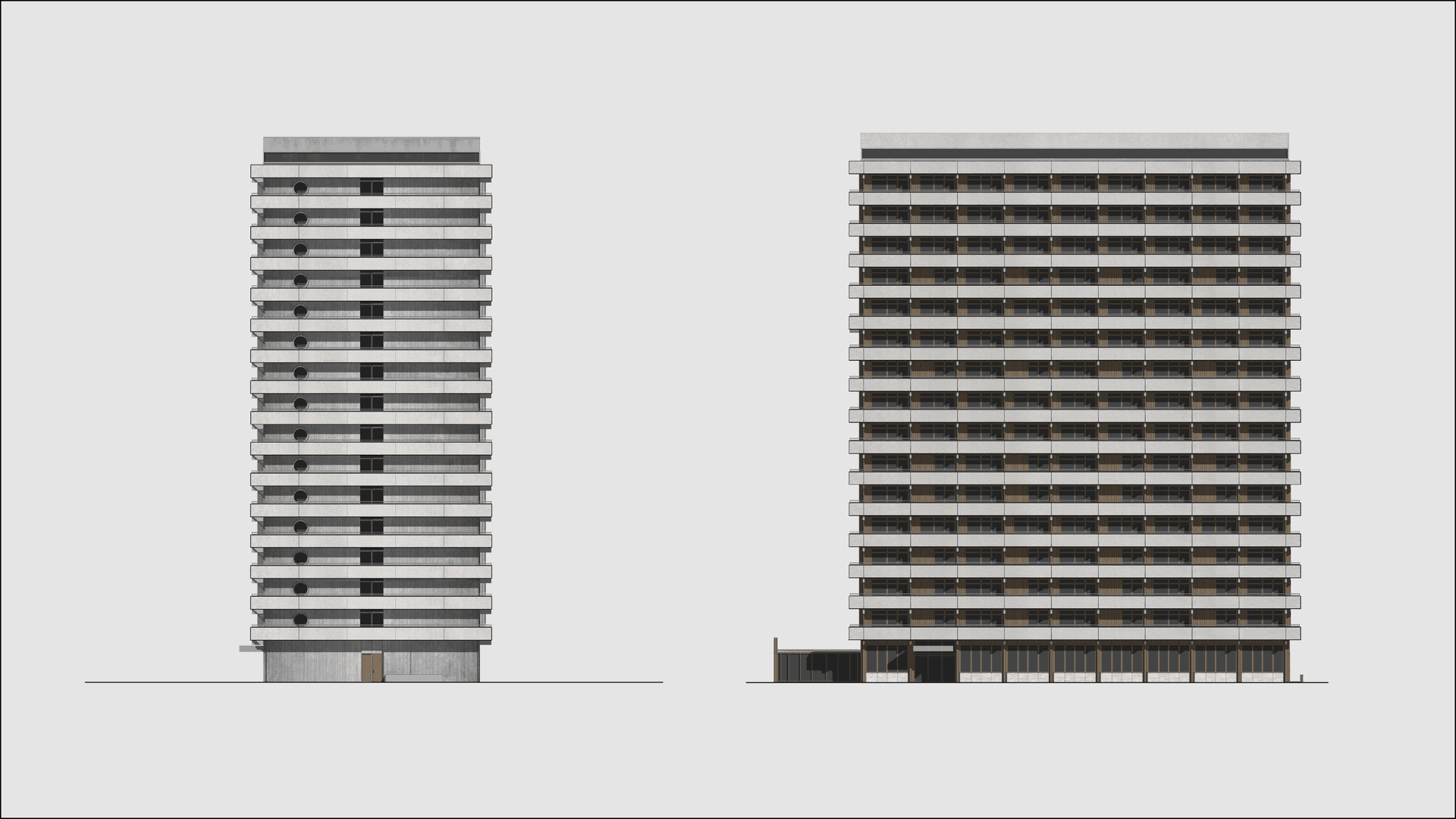
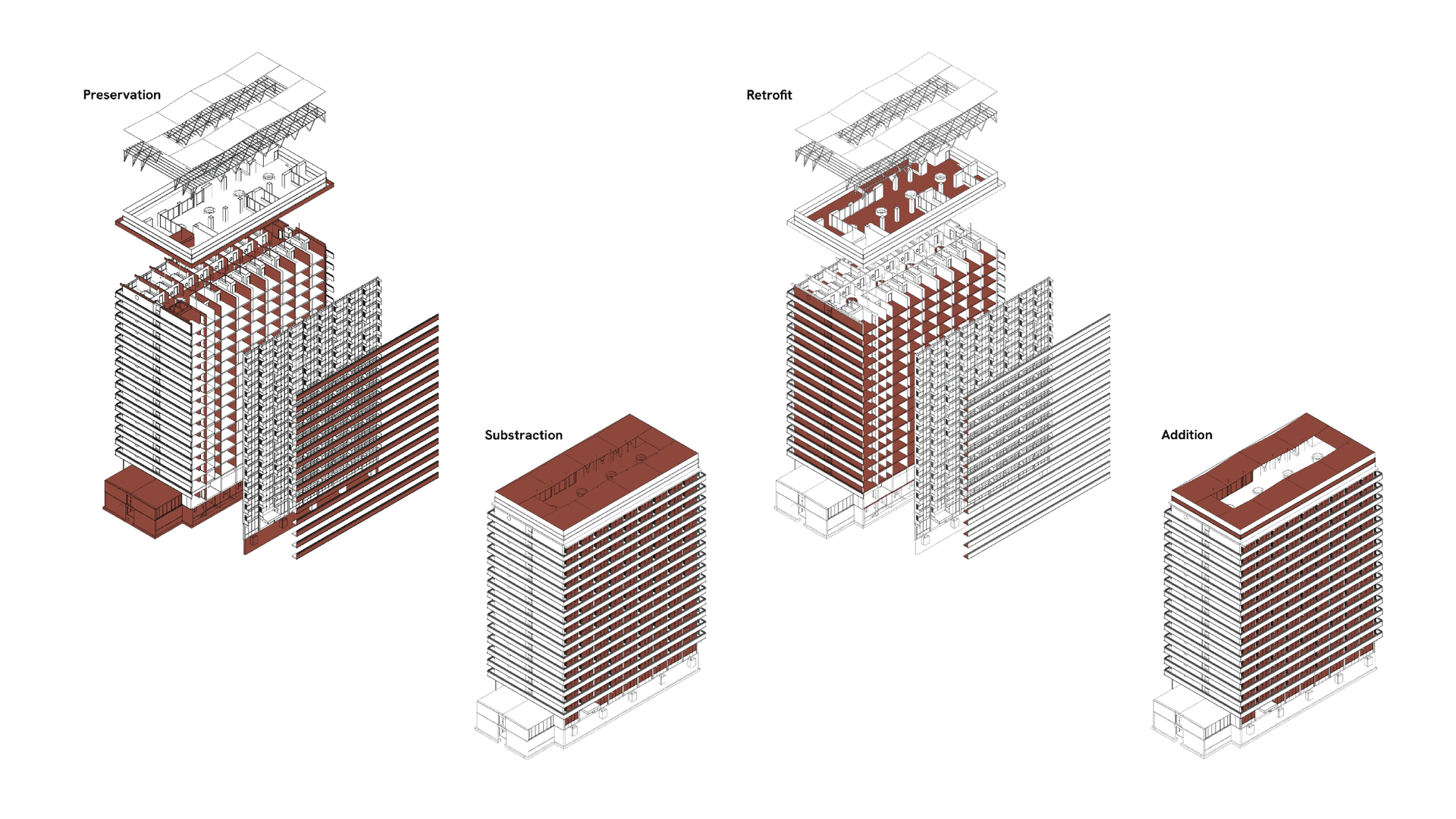
Med Peder Lykkes Vej 61 i København som case undersøger projektet, hvordan en typisk dansk boligblok fra 1970’erne kan transformeres til at imødekomme både nutidige og fremtidige krav. Gennem enarkitektonisk transformationsproces søger projektet at frigøre det potentiale, der allerede er indlejret i den eksisterende bygning, og forlænge dens relevans ind i fremtiden.
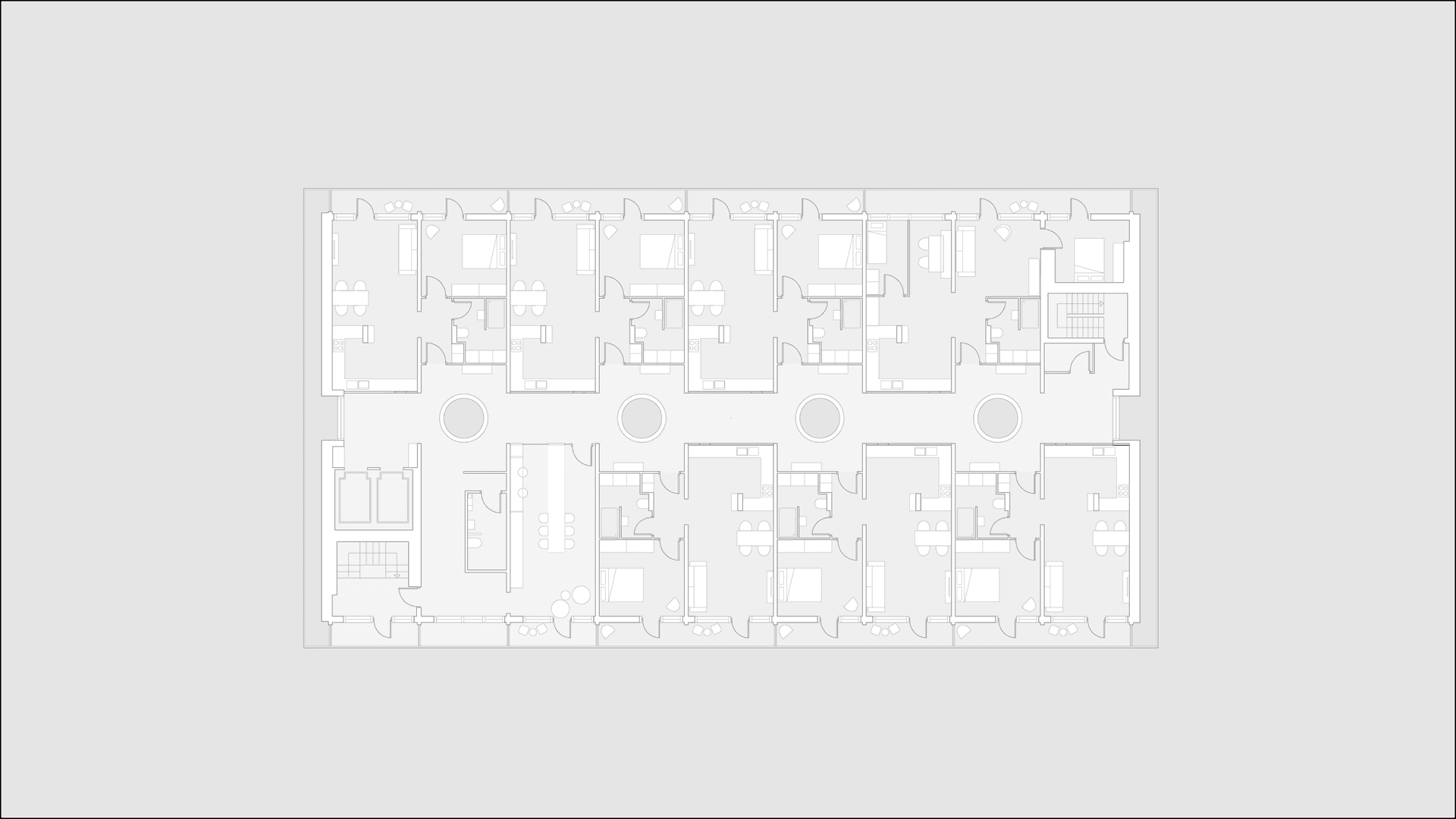
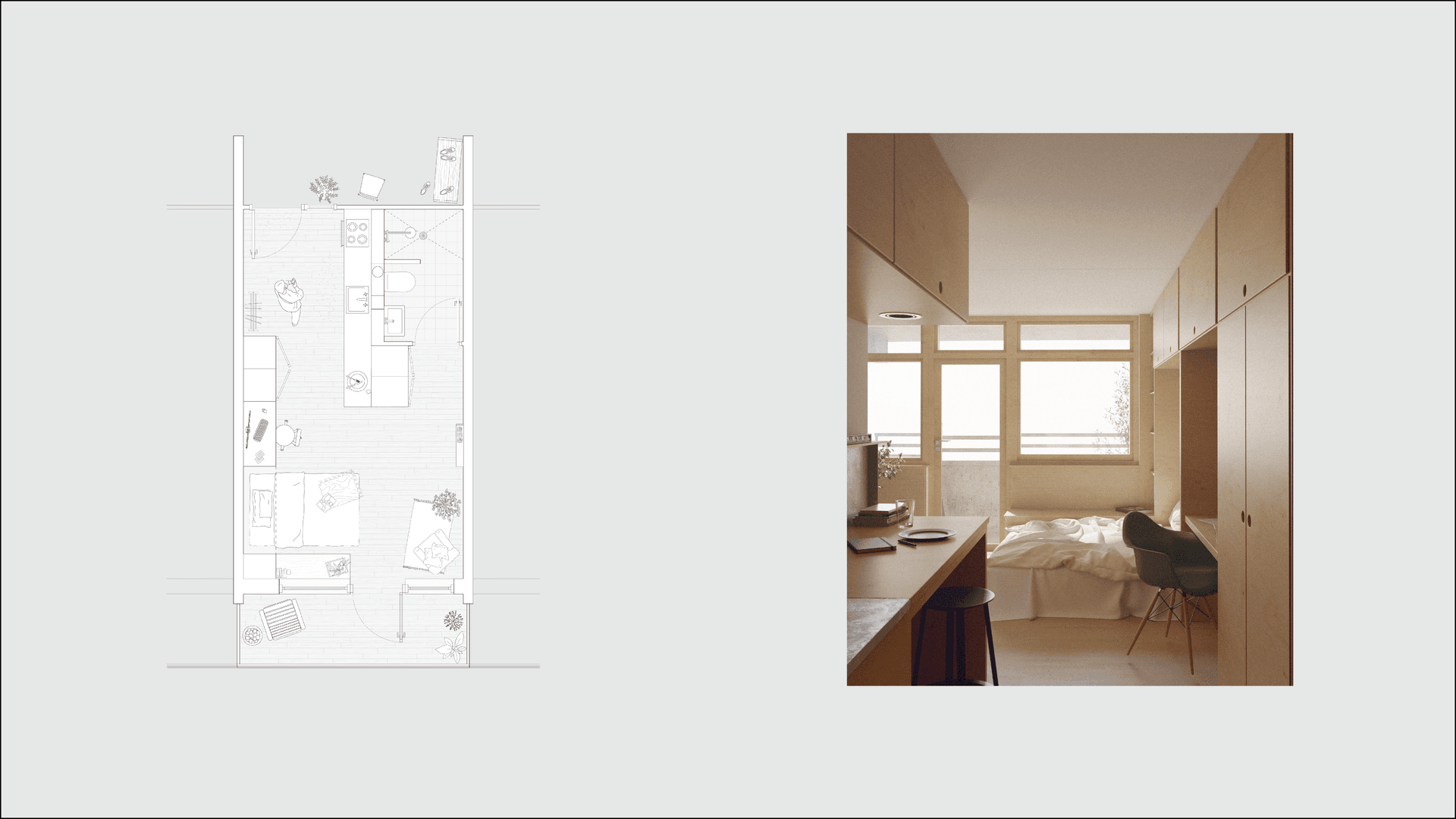
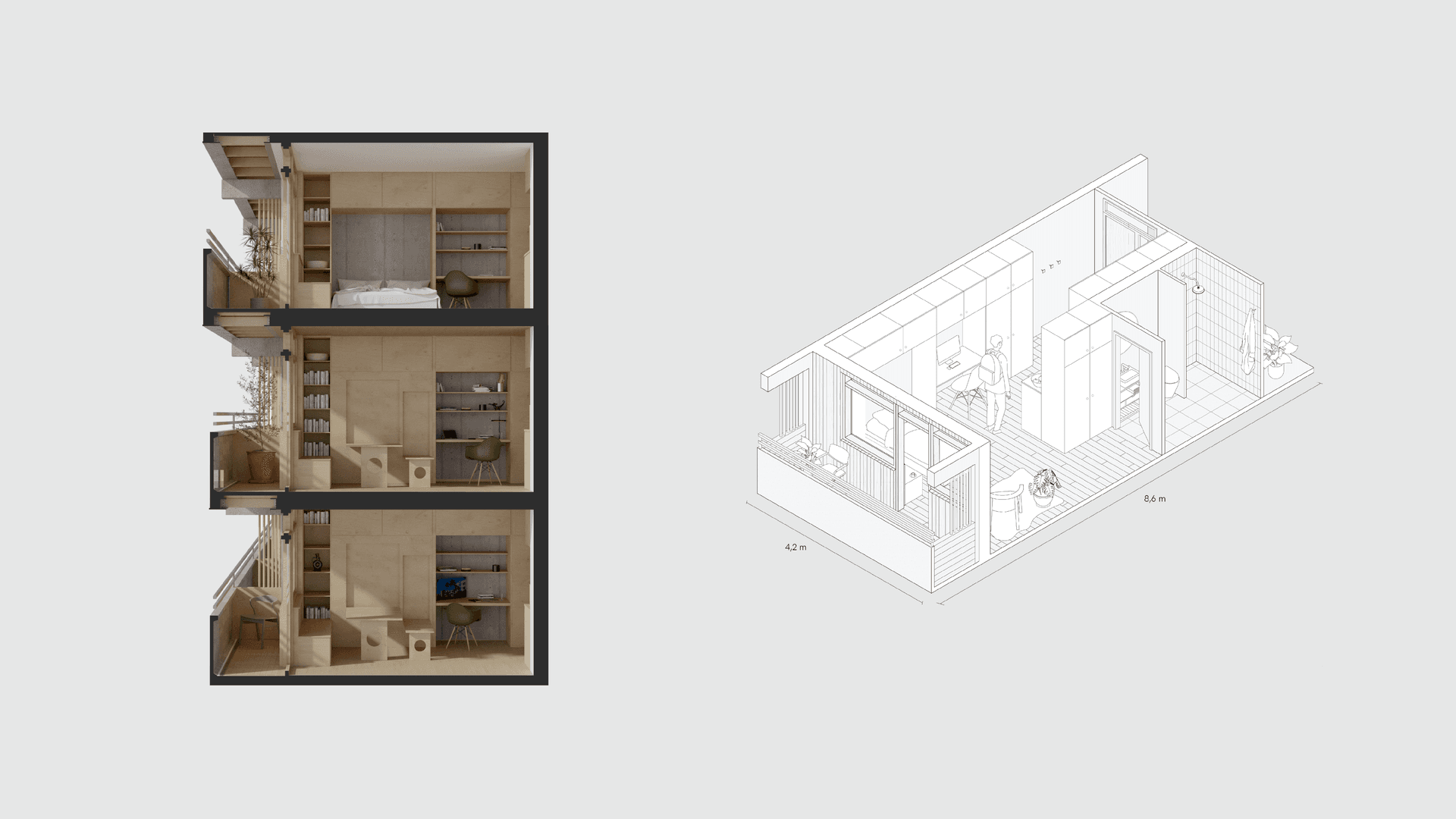
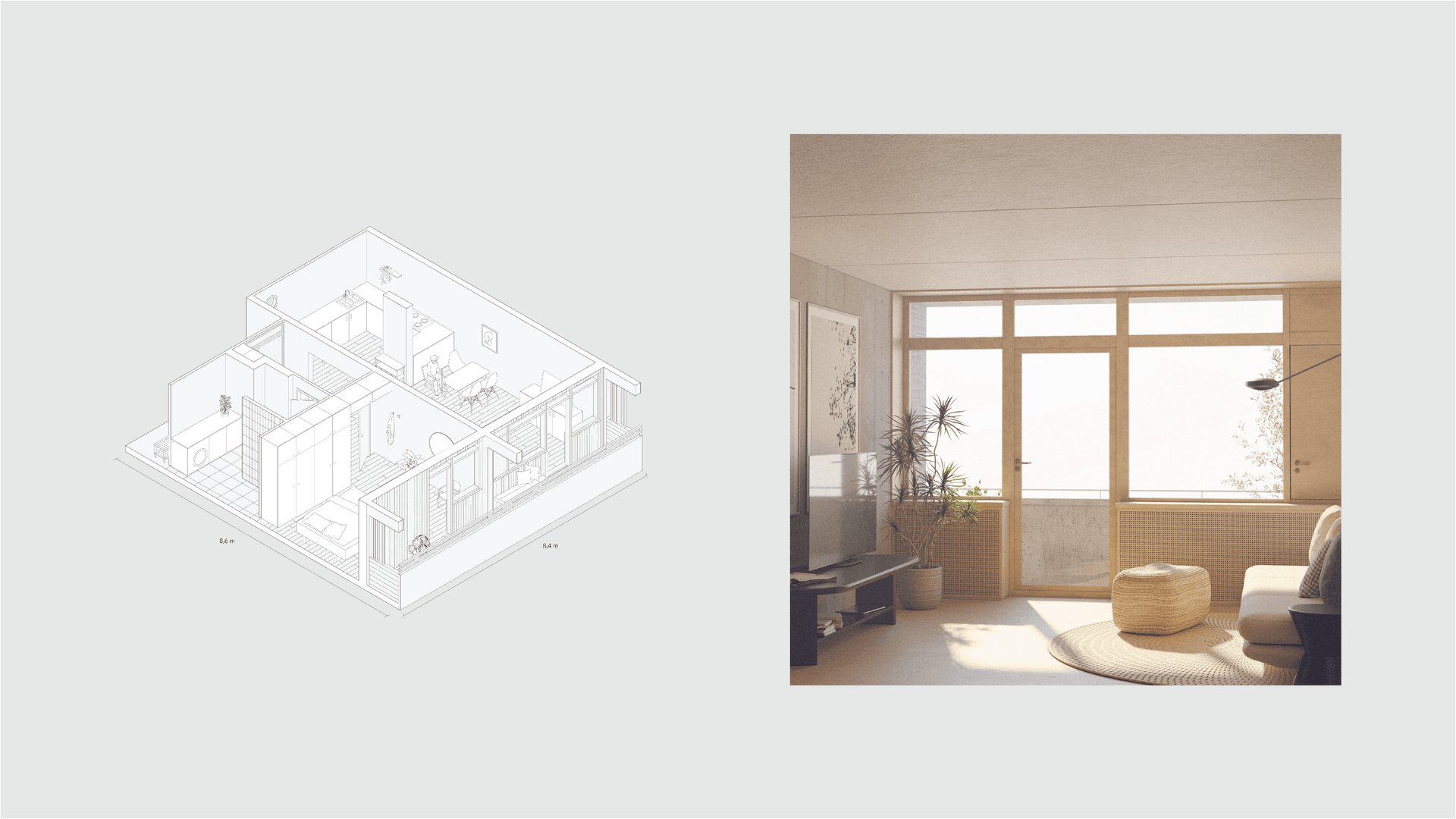
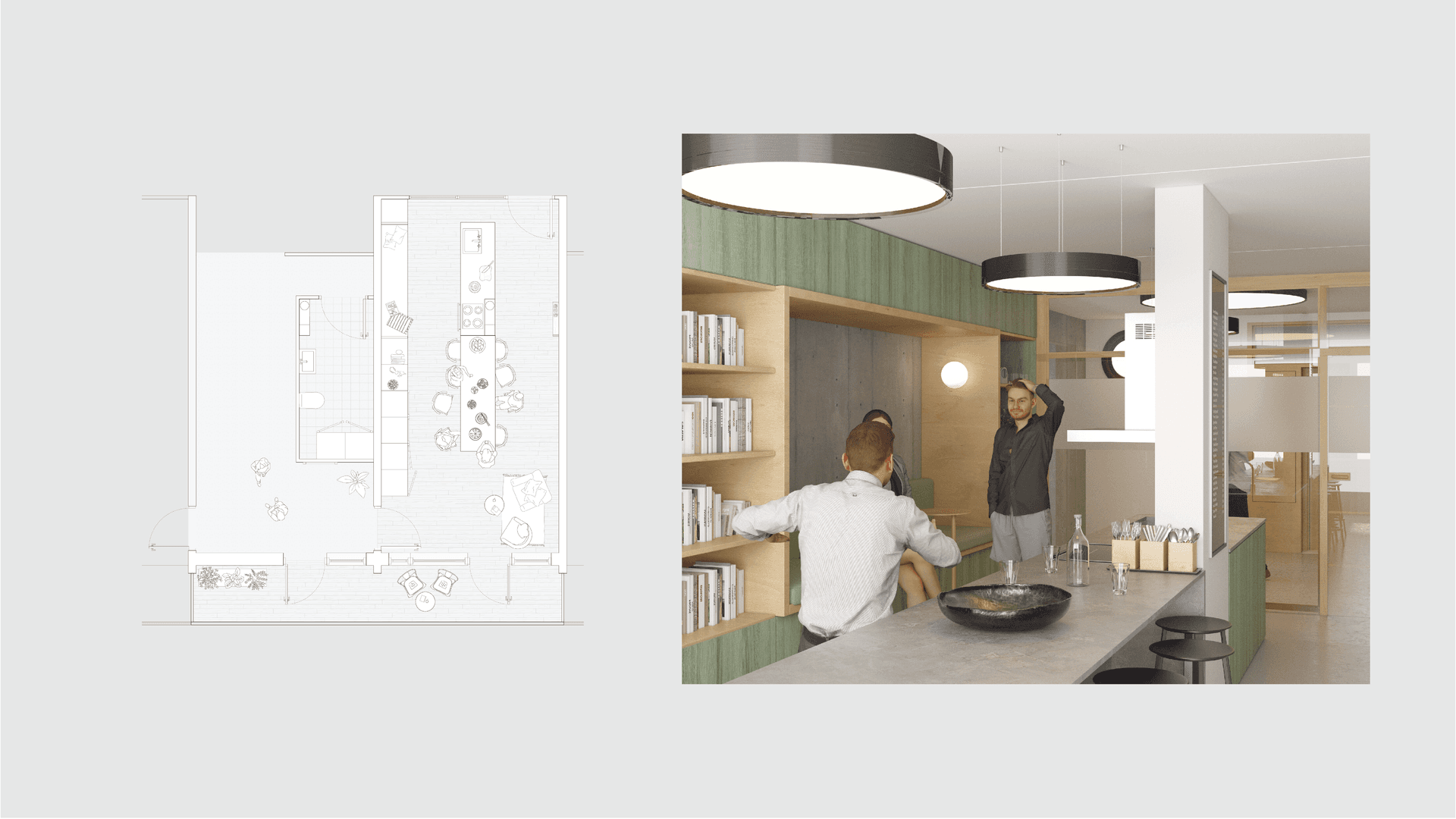
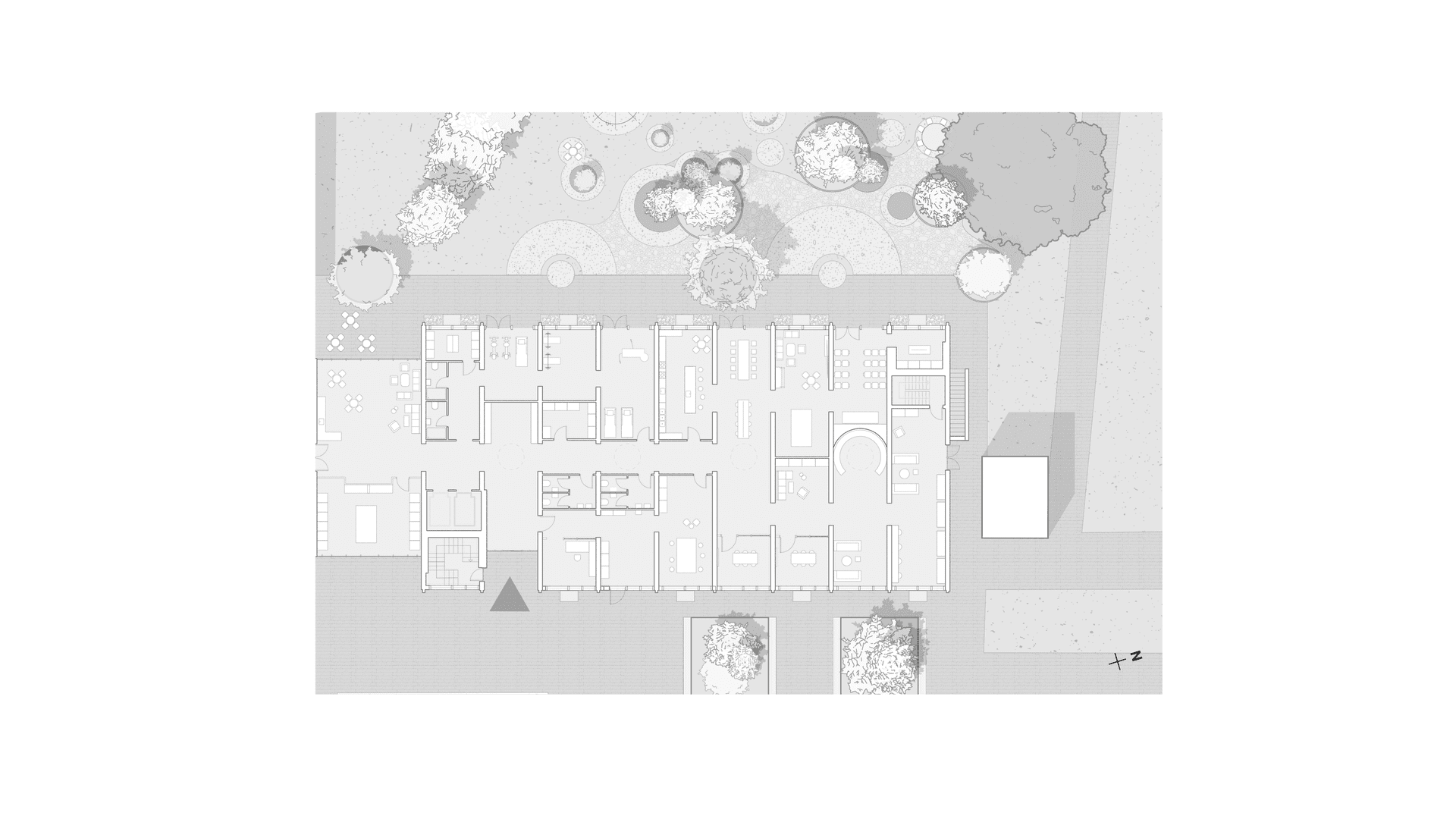
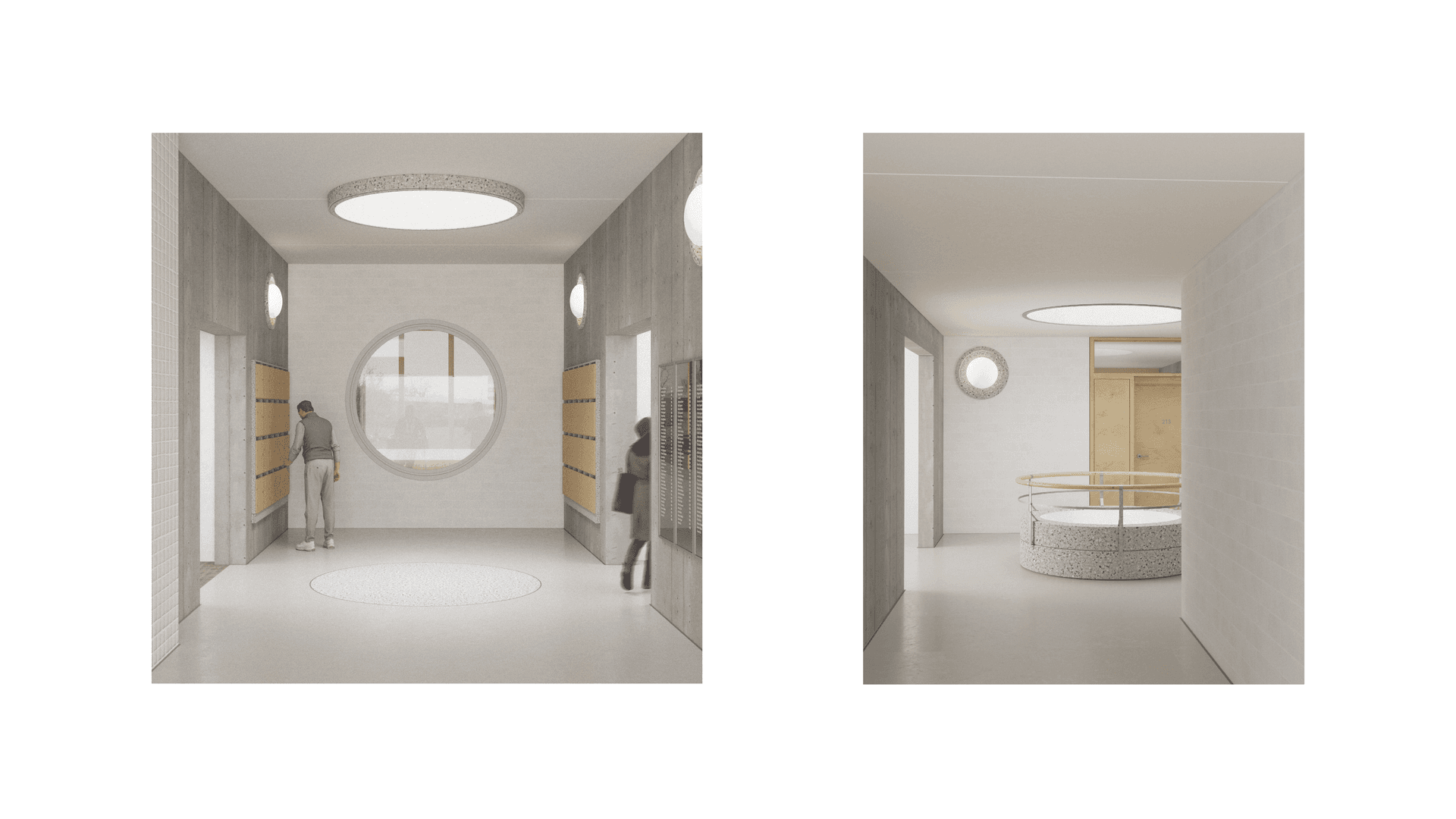
Gennem etableringen af nye fællesrum, klimarobuste designstrategier og nytænkte boligtypologier er ambitionen at fremvise nye muligheder i den eksisterende struktur. Målet er at tilpasse bygningens tilnutidens krav, samtidig med at den bevarer forbindelsen til sin oprindelige arkitektoniske identitet.
Abstract engelsk:
For decades, modernist housing blocks have been viewed as ageing relics of another time, buildings whose shortcomings have often overshadowed their potential. Yet behind their weathered facades lies an enormous reserve of space, material, energy, and human history.
Using Peder Lykkes Vej 61 in Copenhagen as a case study, the project investigates how a typical Danish housing block from the 1970s can be retrofitted to meet both contemporary and future demands. Through a process of architectural transformation, the project seeks to unlock the latent potential already embedded within the existing building and extend its relevance into the future.
Through the implementation of new shared spaces, climate-responsive design strategies, and reimagined dwellings, the ambition is to reveal new possibilities within the structure already there, allowing the building to evolve while remaining connected to its original architectural identity.