6/17/2026
Reclaiming Material Independence: Regenerative Architecture in Iceland
Students:
Alberte Hjortdrup Seidelin & Stine Gude-Schmidt
6/17/2026
Reclaiming Material Independence: Regenerative Architecture in Iceland
Students:
Alberte Hjortdrup Seidelin & Stine Gude-Schmidt
Abstract dansk:
Reclaiming Material Independence: Regenerativ arkitektur i Island undersøger, hvordan en regenerativ og materialedrevet tilgang kan engagere sig i islandsk bygningsarv og bidrage til et nutidigt lokalt arkitektonisk sprog gennemtransformationen af en eksisterende betonruin. Specialet reagerer på den adskillelse, der ofte skabes mellem økologisk ansvar, tektonisk materialelogik og levet rumlig erfaring.
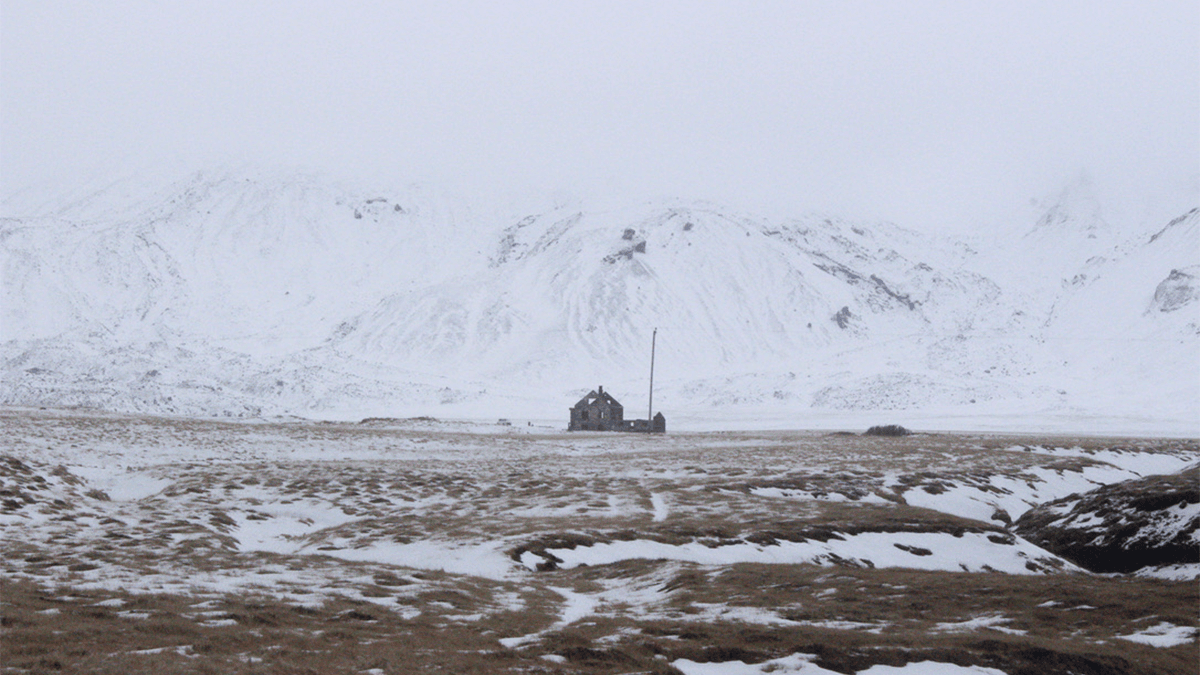
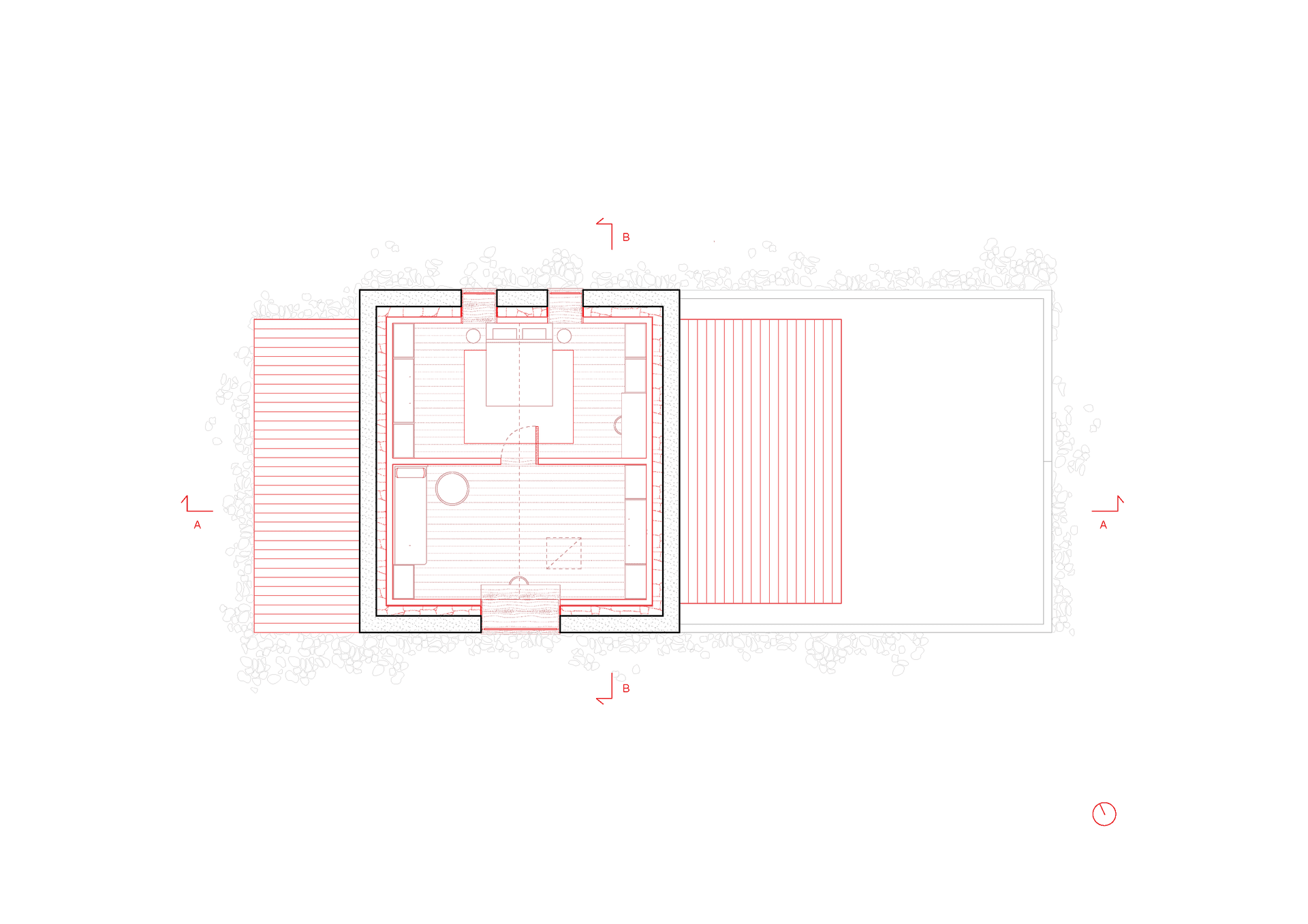
Dette undersøges gennem Dagverðará, en forladt betonbondegård fra 1930’erne på Snæfellsnes, som har stået tom siden 1971. Frem for at behandle ruinen som forældet, anskues projektet den som en rumlig, materiel og kulturel ressource og foreslår dens transformation gennem et fænomenologisk blik på omdannelsen af Dagverðará til en privat bolig inden for den eksisterende betonskal.
Metodisk kombinerer specialet regenerativ udvikling, tektonisk materialevurdering, fænomenologisk evaluering og spekulative fremtidsscenarier. Disse perspektiver undersøger, hvordan arkitektur kan indgå i det økologiske kredsløb, udtrykke materialets og konstruktionens logik samt skabe atmosfærer formet af taktilitet, erindring og kulturel genkendelse.
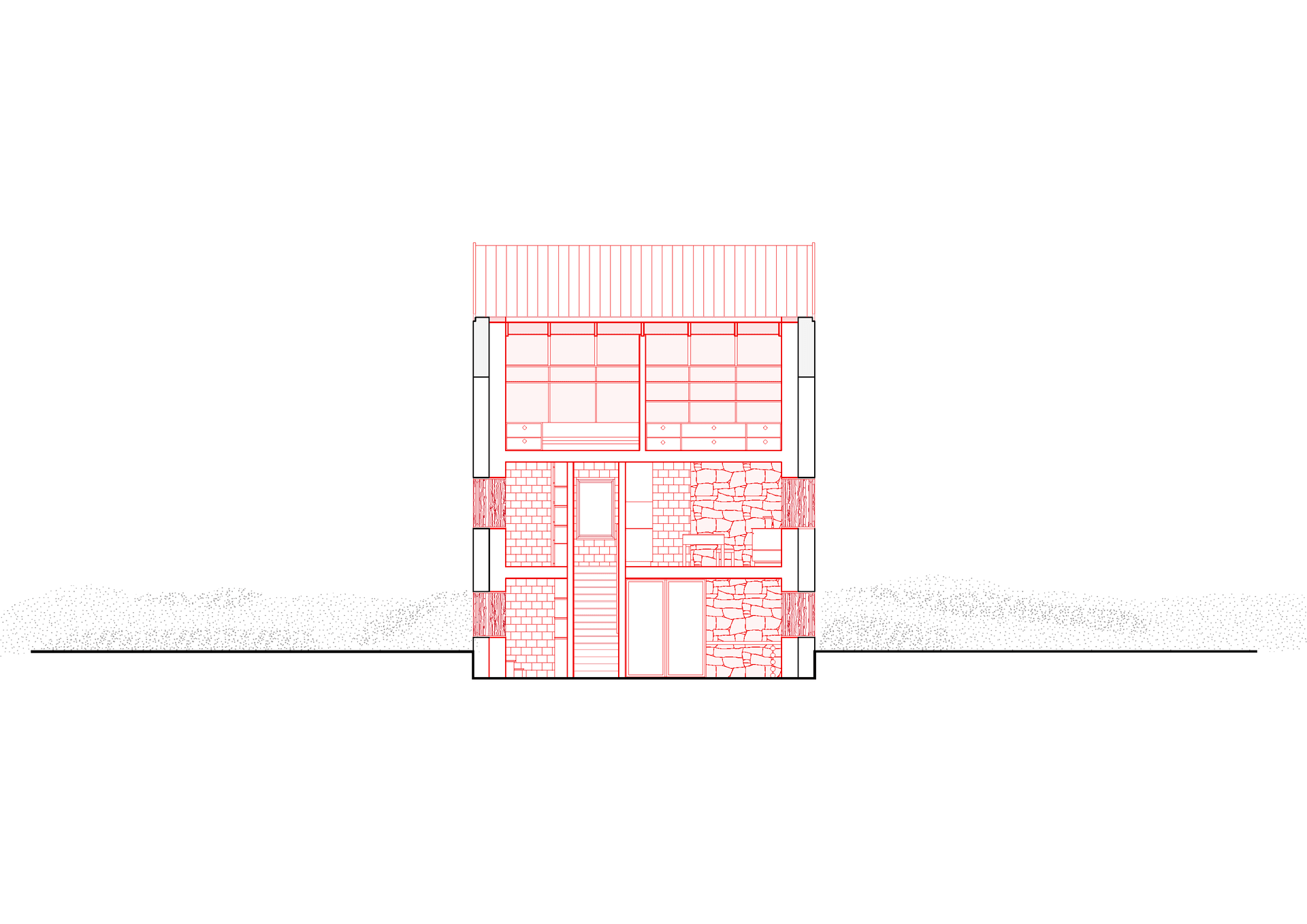
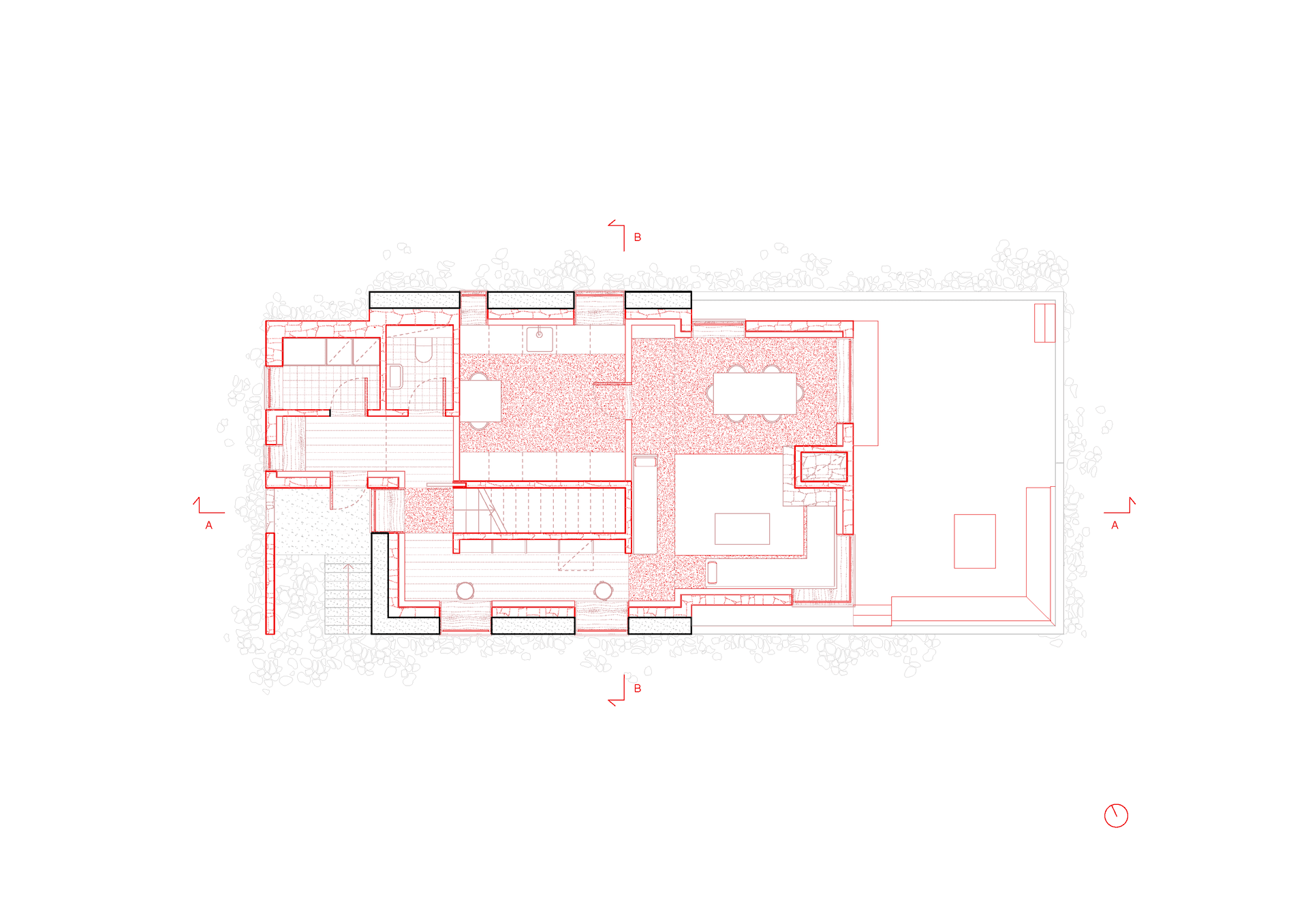
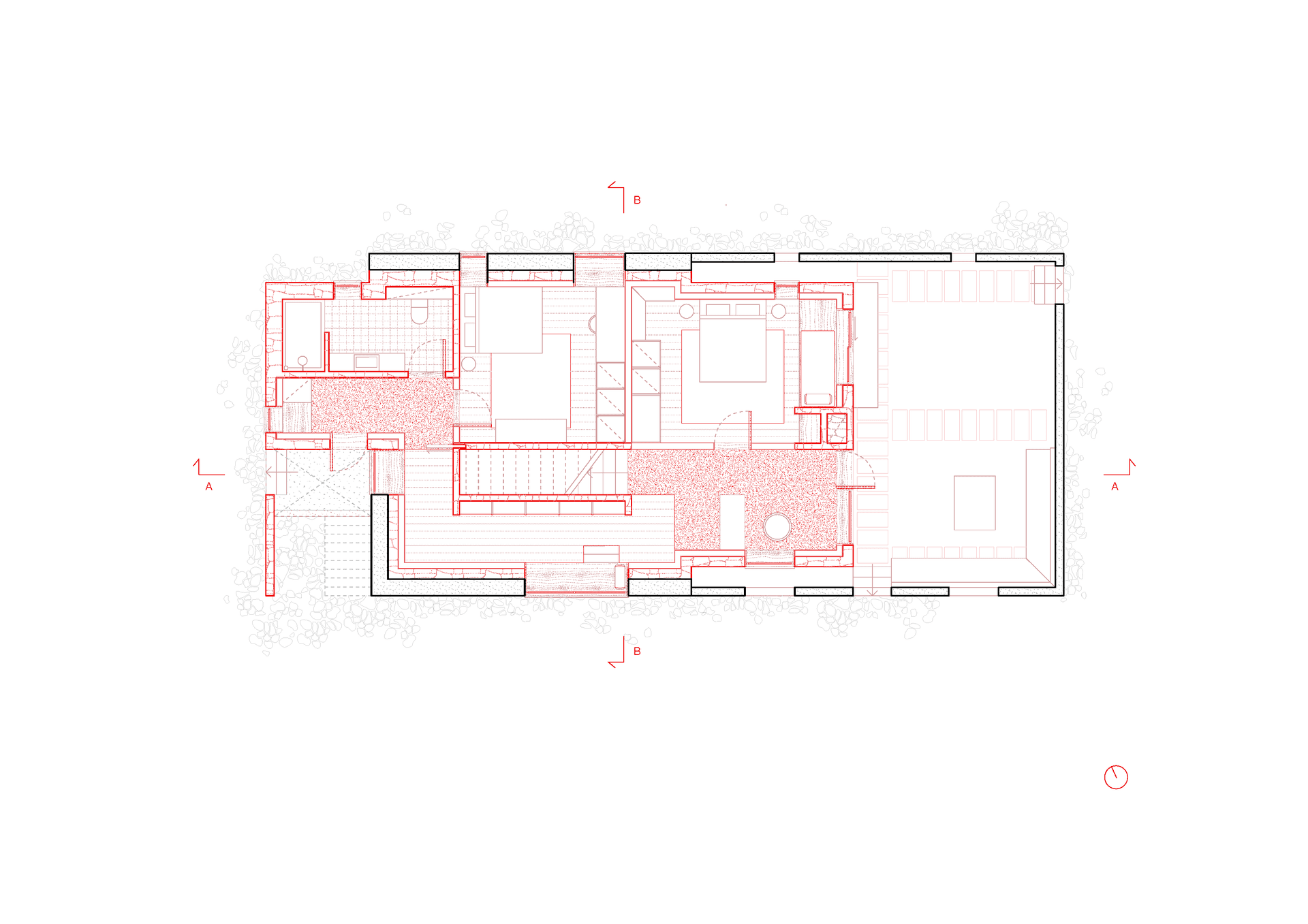
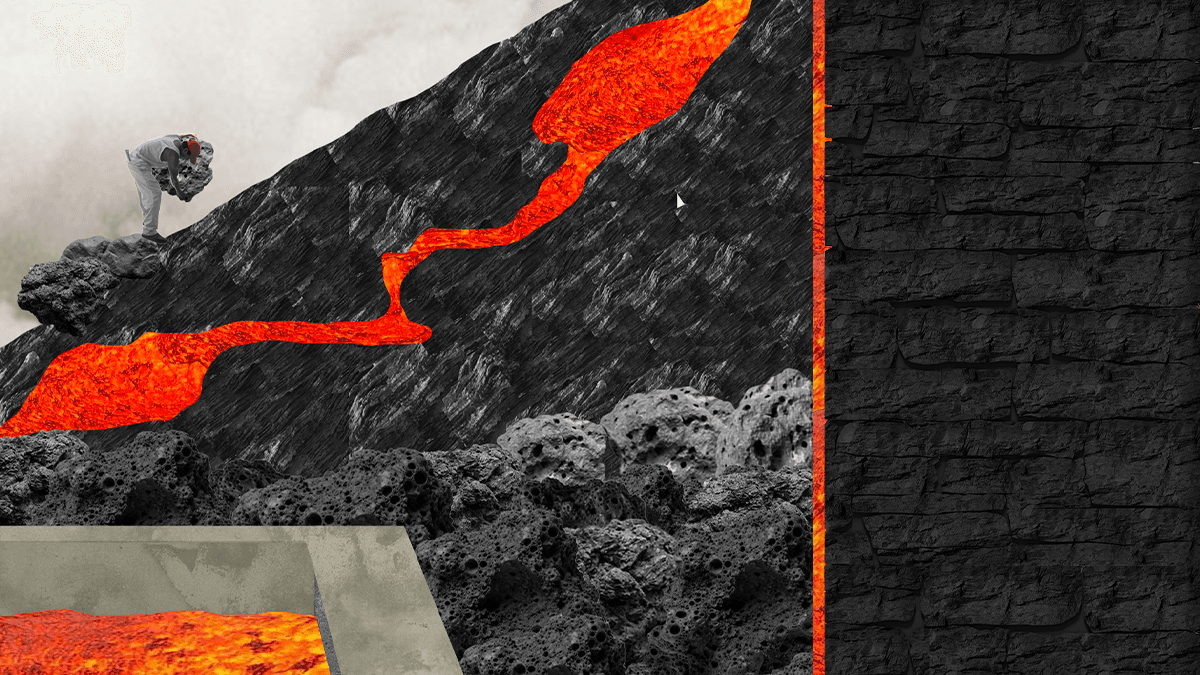
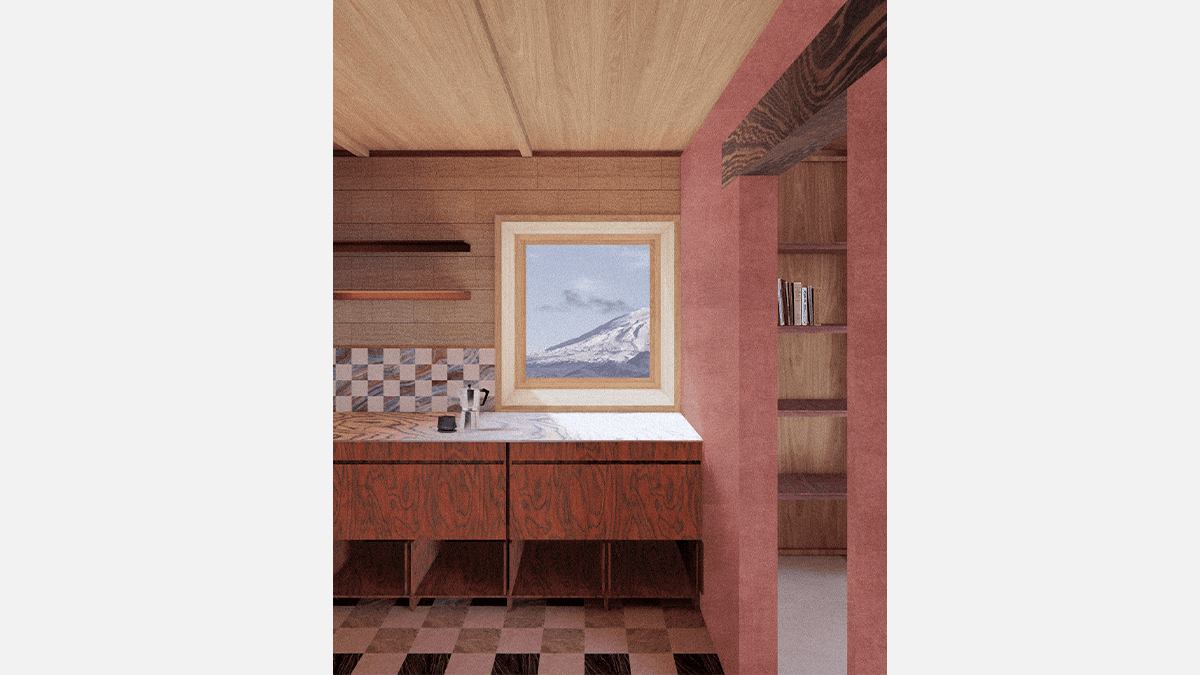
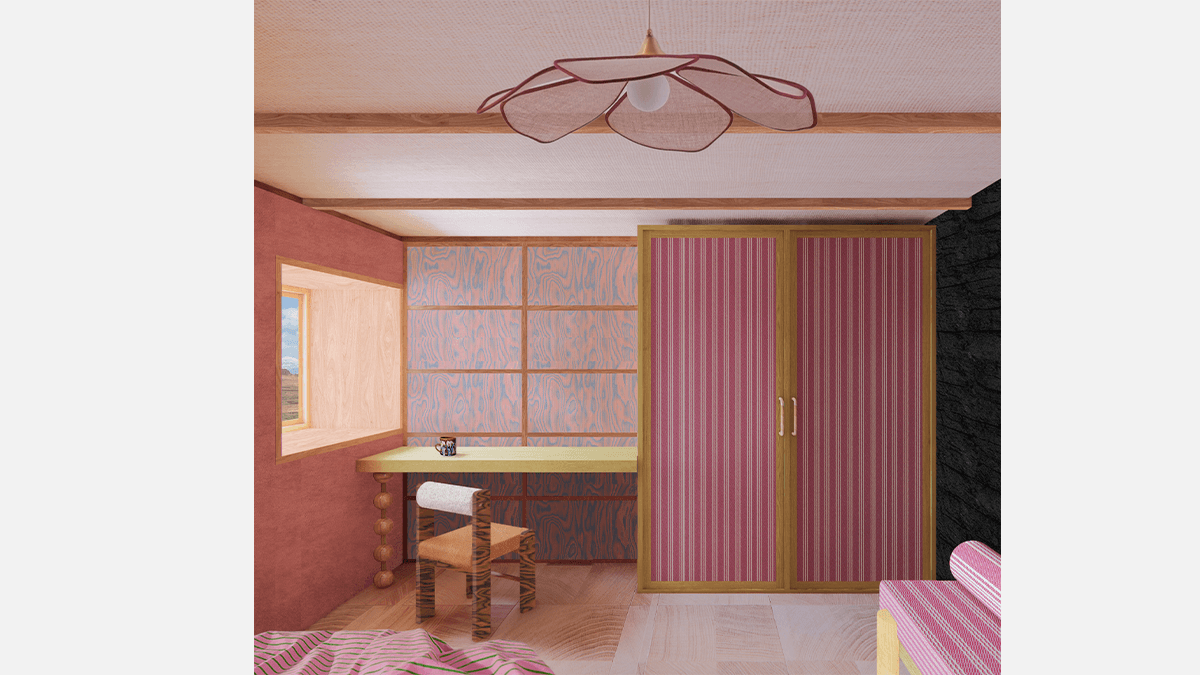
Forslaget udvikler et lokalt materialesprog gennem brugen af lavasten, stampet lerjord, turfcrete, drivtømmer, genanvendt uld, ocean paint og historiske tekstiler. Permanente kerner af lavasten rummer de tre hovedfunktioner: hovedtrappe, vådkerne og skorsten, mens varmere materialer som træ, jord, uld, tekstil og biogene lag danner tilpasningsdygtige rum omkring dem.
Gennem kontrasten mellem mineralsk bestandighed og biogen transformation undersøger specialet, hvordan arkitektur kan videreføre stedets fortællinger, samtidig med at den muliggør fremtidig tilpasning, vejrligspåvirkning, genbrug og i sidste ende en tilbagevenden til landskabet. Frem for at definere et fast islandsk arkitektonisk sprog tilbyder specialet et spekulativt bidrag forankret i materiel erindring, regeneration og design for nedbrydelse.
Abstract engelsk:
Reclaiming Material Independence: Regenerative Architecture in Iceland explores how a regenerative, material-driven approach can engage with Icelandic building heritage and contribute to a contemporary, locally groundedarchitectural language through the transformation of an existing concrete ruin. The thesis responds to the separation that is often created between ecological responsibility, tectonic material logic, and lived spatial experience.
This is investigated through Dagverðará, an abandoned concrete farmhouse from the 1930s on Snæfellsnes, which has stood empty since 1971. Rather than treating the ruin as obsolete, the project considers it a spatial, material, and cultural resource, proposing its transformation through a phenomenological lens into a private dwelling within the existing concrete shell.
Methodologically, the thesis combines regenerative development, tectonic material assessment, phenomenological evaluation, and speculative future scenarios. These perspectives explore how architecture can participate in ecological cycles, express the logic of material and construction, and create atmospheres shaped by tactility, memory, and cultural recognition.
The proposal develops a local material language through the use of lava stone, rammed earth, turfcrete, driftwood, recycled wool, ocean paint, and historical textiles. Permanent lava stone cores accommodate the three primaryfunctions—main staircase, wet core, and chimney—while warmer materials such as wood, earth, wool, textiles, and biogenic layers form adaptable spaces around them.
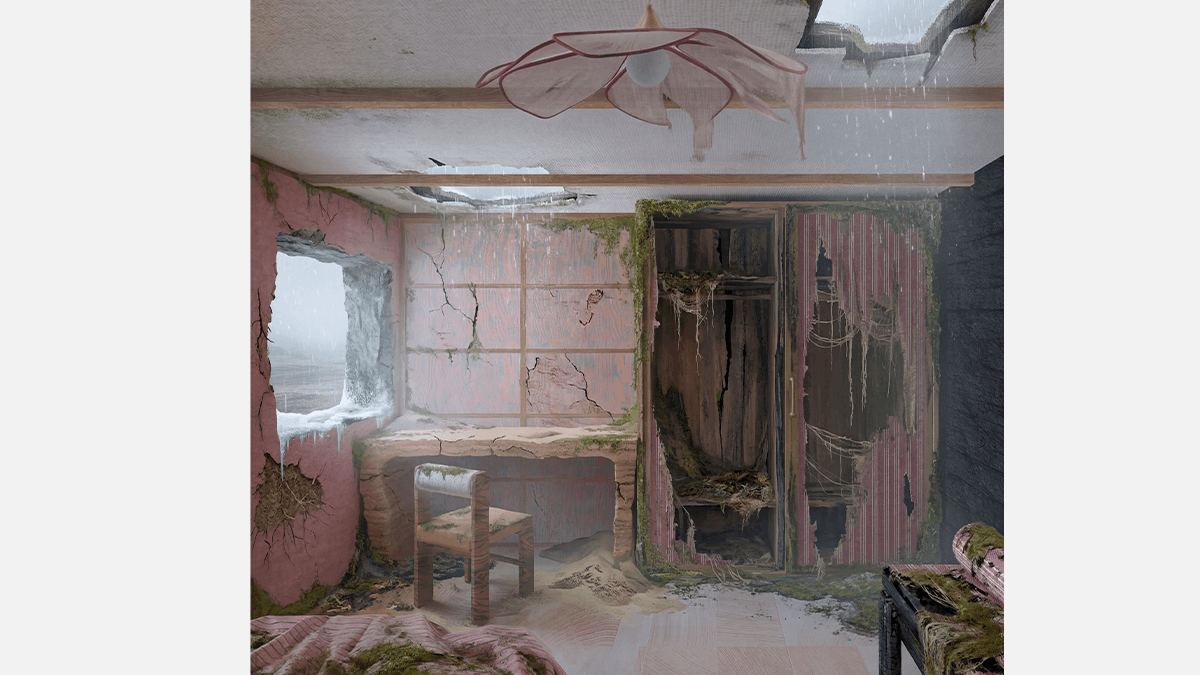
Through the contrast between mineral permanence and biogenic transformation, the thesis investigates how architecture can carry forward the narratives of a place while enabling future adaptation, weathering, reuse, and ultimately a return to the landscape. Rather than defining a fixed Icelandic architectural language, the thesis offers a speculative contribution rooted in material memory, regeneration, and design for disassembly.